Cashback refinance offers: the hidden costs
How the cashback math works
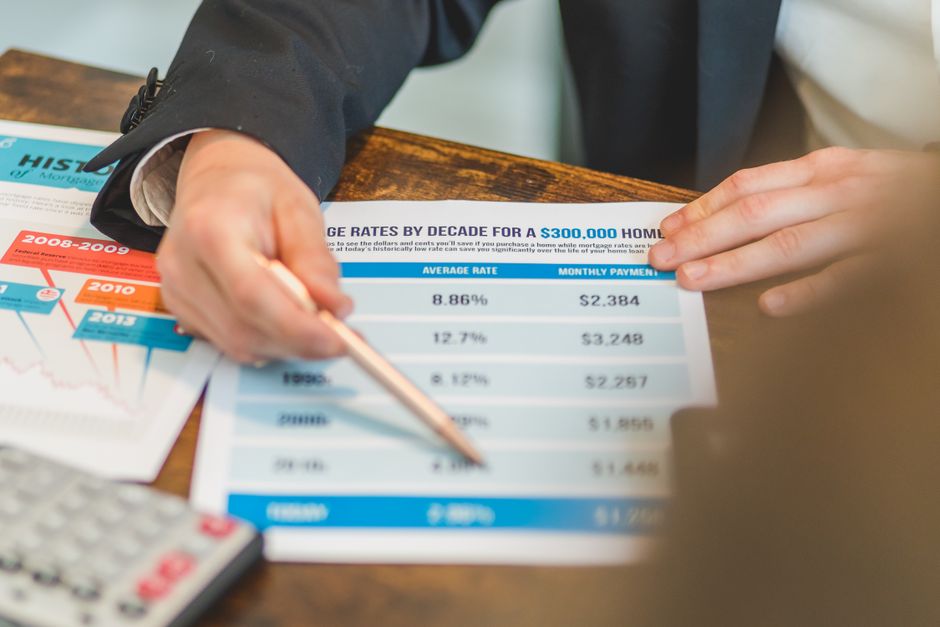
The lender pays you $2,000-$4,000 at settlement. In return, they hope you stay on their loan long enough to recover the cashback through the rate differential and trail commission. Three years is the typical break-even window.
The three ways the offer quietly costs you money
First, the advertised rate during a cashback promotion is often 10-25 bps higher than the lender's sharpest non-cashback rate. On a $600k loan, 20 bps is $1,200 a year. The cashback is repaid to the lender in 20-24 months. After that, you are subsidising them.
Second, the cashback is usually taxable if the property is an investment (classified as assessable income in most ATO rulings). On owner-occupied, it is usually not taxable but worth confirming with your accountant.
Third, many cashback offers are conditional on a minimum loan size ($250k+) and specific product (variable, principal-and-interest). If you refinance into a fixed loan, the cashback vanishes.
When cashback is worth taking
- You planned to refinance anyway into the lender's sharpest-priced product
- The cashback product rate is within 10 bps of the best market rate
- Your settlement costs (discharge, title search, registration) are around $800, so cashback net of costs is genuinely positive
- You are confident you will not refinance again within 12 months (some cashbacks have clawback clauses if you leave within 2 years)
When it isn't
- The advertised rate is visibly higher than non-cashback alternatives
- The product doesn't have an offset, or has restricted redraw, which you value
- You have a pattern of refinancing every 18-24 months (common for rate-chasers) - clawback will bite
A broker can usually negotiate a discretionary discount of 15-25 bps on a cashback product, which is worth more over the life of the loan than the upfront payment.
What's on the table right now — April 2026
Rather than generic numbers, here are the refinance-relevant offers we can actually write today. The full ten-lender tracker (including non-cashback promos like fee waivers and rate-loading removals) lives at /lender-specials/.
IMB is offering up to $4,000 cashback for loans with an LVR below 80%. This is the highest raw cashback available, though IMB's variable rate sits roughly 10 bps above its non-promo rate. On a $700k loan, the net benefit is genuinely positive if you stay past month 14.
ME Bank provides a $3,000 refinance cashback for loans of at least $700,000 and an LVR under 80%. This works well for upgraders with sizeable balances, but the $700k floor knocks out most first-home refinances.
Bank of China has launched its Discount Plus Home Loans as new April 2026 specials, after its earlier $2,888 rebate closed on 31 March 2026. This is not a cashback but a rate discount, suited to borrowers who would rather compound the saving than take the lump sum.
Suncorp is waiving the annual fee for life on its Home Package Plus. Saving roughly $395 per year forever beats a $2,000 cashback once you pass year five, making this an underrated option for long-stayers.
Great Southern Bank is offering a $0 Establishment Fee on new applications, which typically saves around $600 at settlement and is stackable with Great Southern's member-rate discount.
ORDE Financial is waiving the rate loading on large Prime loans between $2.0 million and $3.0 million. This is the highest-value offer on the table for HNW borrowers, as a 15 bps loading on $2.5 million compounds to $3,750 per year.
Offers and conditions verified 23 April 2026. Rates and cashback amounts are set by each lender and change without notice. The full tracker with end dates and target-borrower notes: Lender Specials — April 2026. To run the numbers on your own balance and remaining loan term, use the refinance cashback calculator or phone +61 451 827 455.
Want the numbers run for your situation?
Get a free, no-obligation assessment from Arrivau's licensed team — loan, property or migration.
Start a free assessment →