A comparable sales report - the selection of recent sales of similar properties used to establish market value - is what valuers use, what agents cite, and what you should be building yourself before any serious offer. Doing it properly takes two hours and gives you an independent number to negotiate against.
What "comparable" actually means
Not just any sale in the suburb. A true comparable shares:
- Location: same or equivalent suburb, preferably within 500-800m
- Type: house vs unit vs townhouse - never cross-compare
- Size: land and building area within 15-20% of the subject
- Bedrooms and bathrooms: same count
- Parking: same type (garage vs carport vs off-street)
- Condition and era: renovated mid-century weatherboard is not comparable to original 1960s brick veneer, even if same bedroom count
- Sale date: within the last 3-6 months. Older sales need adjustment for market movement
Where to find the data
- Realestate.com.au "Sold" filter: free, 12 months of history, with photos
- Domain Price Finder: free, slightly different coverage
- OnTheHouse.com.au: 15+ years of history, useful for long-run trend
- CoreLogic via broker or agent: deeper data, detailed attribute matching
- Pricefinder: subscription, used by valuers, most granular
Building the comparison
-
Pull 6-10 recent sales that roughly fit your property's profile
-
Eliminate outliers (bottom and top 20%) - you're looking for the median, not the range
-
For each remaining comparable, adjust:
- +/- for land size: ~$800-$1,500 per square metre in middle-ring Sydney; less elsewhere
- +/- for building area: $2,500-$4,000 per square metre construction equivalent
- +/- for condition: $30k-$80k for a kitchen update, $20k-$50k per bathroom
- +/- for days elapsed: if the market has moved 0.5% per month, a 4-month-old sale is 2% below today
-
Take the adjusted average of the top 4-5 matches.
The valuer's trick
Valuers don't look at averages; they look at paired comparisons. They pick the most comparable sale, note exactly what differs (100m² more land, one more bathroom), and adjust for those specific differences. The result is a valuation range, not a single number. Your range might be "$920k-$975k" for a subject property that the agent is pushing at $1.05m.
Using the report in negotiation
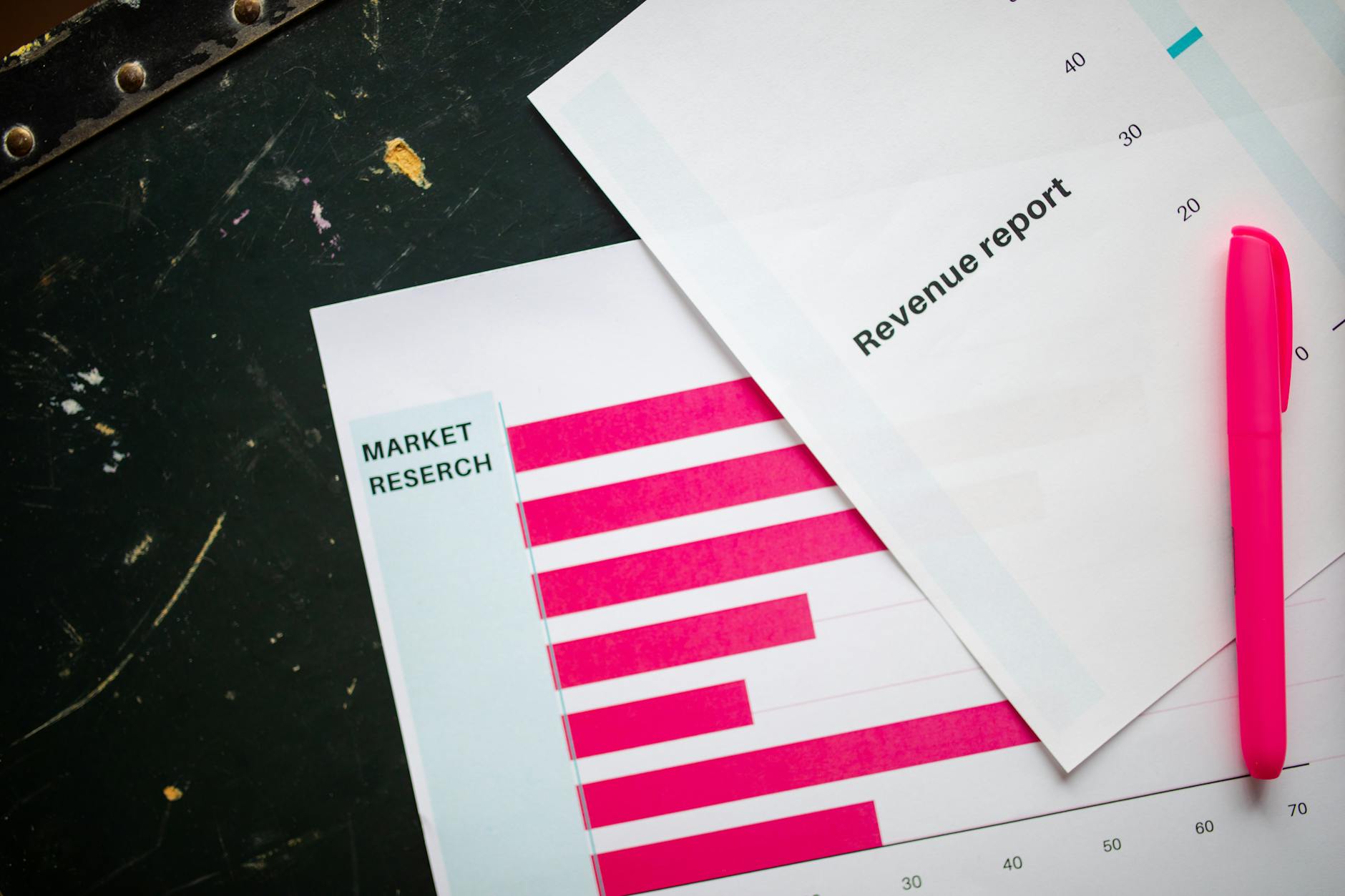
Present the comparables to the agent in writing. Not a verbal "I've done some research" but a spreadsheet: here are 5 comparable recent sales, here is your subject, here is my offer. This reframes the conversation from "what's the vendor willing to accept" to "what's the market value, and what premium am I willing to pay above it".
Agents push back. A good vendor-side agent will produce their own comparable set with favourable selections. That's expected. The exchange narrows the price range, which is exactly what a rational buyer wants.
Want the numbers run for your situation?
Get a free, no-obligation assessment from Arrivau's licensed team — loan, property or migration.
Start a free assessment →