
Two cities, two property markets, two different stories in 2026. The headline "Australian property" number masks the divergence between Sydney and Melbourne. Understanding where the demand drivers point in each city changes whether you buy, when you buy, and what you buy.
Sydney: supply-constrained, population-driven
Sydney's median dwelling price is the highest in Australia and has been for two decades. The structural driver is supply: Sydney's geographical constraints (national park, harbour, ocean) limit greenfield development, and planning bottlenecks keep new unit supply below household formation. In 2026, NSW government targets 377,000 new homes by 2029. Industry forecasters think the actual delivery will be closer to 250,000. That supply shortfall supports prices even when interest rates are restrictive.
Population growth is the second lever. Sydney absorbs 50-60% of NSW net migration and much of the nation's skilled visa intake. Student accommodation in the Inner West alone is 18 months behind demand.
Melbourne: supply-elastic, demand-driven
Melbourne's geography is different. The western and northern growth corridors absorb new supply far more readily than Sydney. Land release through Melton, Wyndham, Whittlesea, and Casey has kept greenfield pricing moderate, and the city's median dwelling price has been flat to mildly negative in real terms since 2021.
The demand story: Victoria's population growth has been slowed by interstate net migration away (post-pandemic Brisbane, Perth, Adelaide all took share), land tax reforms that made investment ownership less attractive, and slower wage growth relative to Sydney.
The 2026 pricing read
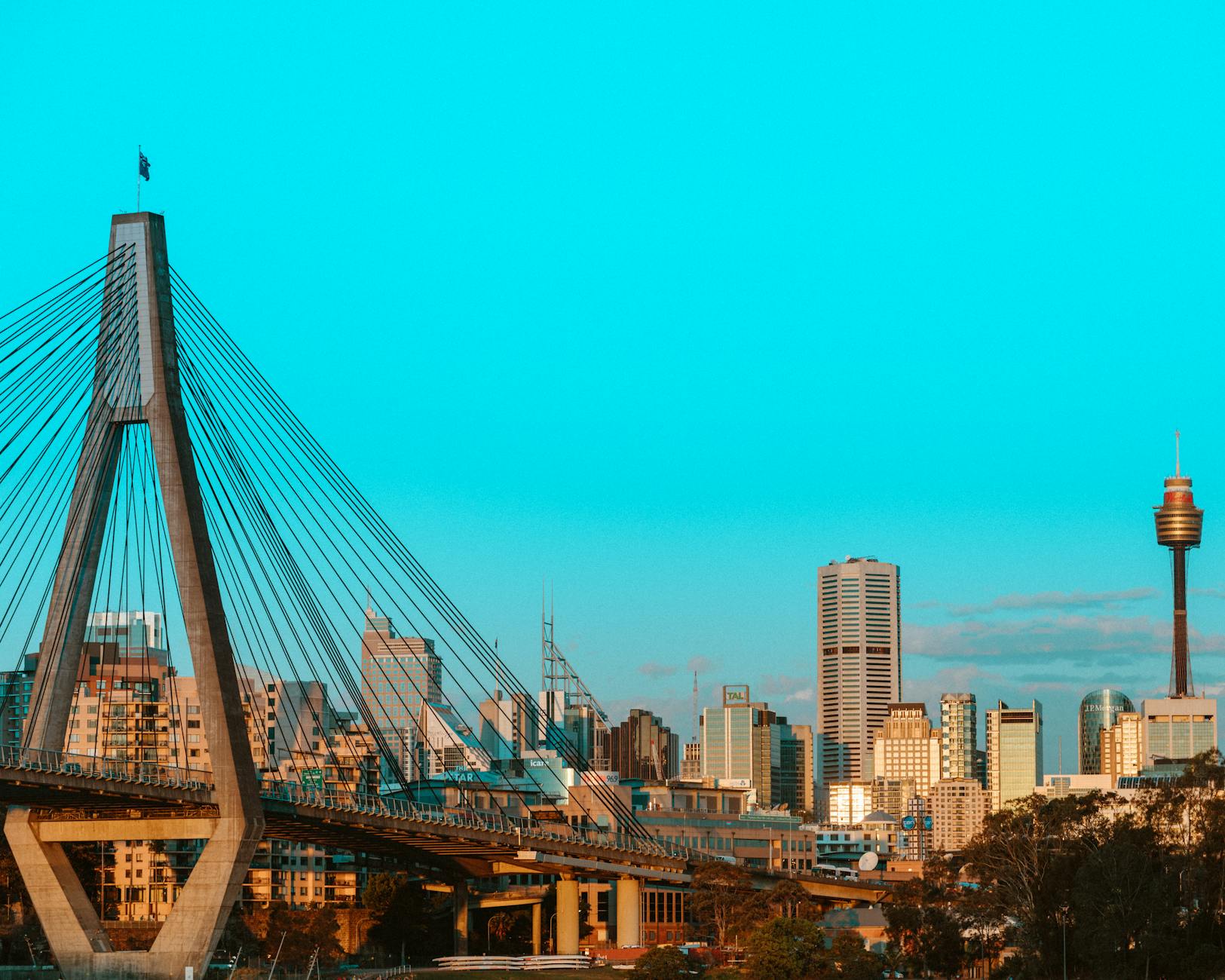
In early 2026, Sydney's median dwelling price is roughly 35-40% above Melbourne's, the widest gap in two decades. Historical mean reversion would suggest either Sydney softens or Melbourne catches up. Current signals: Melbourne rental yields are rising (3.8-4.4% gross in inner suburbs vs 3.0-3.4% in equivalent Sydney suburbs), construction pipeline is stronger in Melbourne, and investor demand is returning after 2022-2024 land tax absorption.
Implications for buyers
If you are buying for yield: Melbourne outperforms Sydney on gross yield in almost every suburb-to-suburb comparison.
If you are buying for long-term capital growth: Sydney's supply constraint remains the dominant structural driver. Melbourne's land supply elasticity puts a softer ceiling on capital growth, even if the near-term pricing reset suggests upside.
If you are buying for lifestyle: both cities have equivalent quality suburbs at the price band. The question is which city you want to live in.
The outlier signal

Watch Melbourne's eastern and south-eastern suburbs (Box Hill, Balwyn, Glen Waverley). Chinese migration and investor demand from South Korea, Hong Kong, and Singapore have started to return after the 2021-2023 pause. Asian-migration-led demand is the mechanism that historically tightens Melbourne's eastern suburbs at moments when the broader market is flat.
Want the numbers run for your situation?
Get a free, no-obligation assessment from Arrivau's licensed team — loan, property or migration.
Start a free assessment →